Success can be deceptive. A company can be profitable, a nonprofit can hit its metrics, a program can be funded, and a leader can keep delivering results – and still be out of alignment with the future they say they want to build.
The question is not simply, “Is this working?” The better question is,
“Is this working toward where we say we are going?”
That is where mission, vision, and values become more than statements. They become frameworks for decision-making. Your mission should clarify why the work matters. Your vision should shape what you are building toward. Your values should influence how decisions are made along the way. If those three things do not affect where you invest, what you measure, what you redesign, what you stop doing, and what you build next, they are not actually guiding the organization.
Success Can Hide Misalignment
Failure usually gets our attention quickly. Success can do the opposite.
A program may be well attended and still create barriers for the people it was intended to serve. A company may be growing while its systems, leadership structure, or financial infrastructure are no longer equipped for the next level. A nonprofit may continue funding an established program because it has always worked, even when the community, market, or mission has evolved.
The same thing happens personally. A leader can continue performing at a high level while quietly realizing that the future being built no longer matches the future they actually want.
Working and aligned are not the same thing.
Misalignment has a cost. It can show up in resources being invested in work that no longer advances the vision, teams carrying programs that have outlived their purpose, or leaders making decisions based on precedent instead of strategy. It can also show up when organizations measure what is easiest to report rather than what matters most.
Vision Should Change Today’s Decisions
A vision statement should not describe a future that has no influence on the present. It should force better questions.
Are our current programs moving us toward the future we say we want? Are our systems designed for the people we intend to serve? Are our resources aligned with our highest priorities? Are we continuing something because it is effective, or simply because it is familiar?
And perhaps the most important question is this:
If we keep operating exactly as we are today, will the organization we’ll have created five or ten years from now actually fulfill our mission?
That is strategic alignment: Alignment is the discipline of comparing today’s decisions with tomorrow’s vision.
The Alignment Test
Before continuing, expanding, funding, or scaling something, leaders should ask five questions:
Mission: Does this still serve why we exist? Is it actually working for the people it was designed to serve?
Values: Are we doing it in a way that reflects how we say we operate?
Vision: Does this move us toward where we want to go? If we continue this for the next five or ten years, are we building what we want to become?
These questions matter for organizations, but they also matter personally. The hardest thing to change is not always what failed. Sometimes it is what succeeded. Failure forces reflection. Success can postpone it. You do not have to wait until something is broken to decide that something needs to evolve.
Alignment Requires Courage Before Crisis
The goal is not constant change. The goal is intentional alignment.
That means keeping what still serves the vision, strengthening what needs to evolve, redesigning what creates barriers, and stopping the investment of time, money, or energy in work that no longer takes you where you intend to go.
The strongest leaders do not wait until circumstances force change. They are willing to examine what is working and still ask whether it deserves to continue.
That is not failure: It is leadership. It is strategy and it is alignment.
Are you willing to switch gears from what is working with what is aligned to the vision you have for tomorrow?
AI & Authenticity Disclaimer: The ideas, frameworks, lessons, lived experiences, and professional perspective reflected in this article are Bridget B Espinosa’s. AI may be used to research, organize, refine, finesse, or format outlines and outputs. Bridget personally performs the final edit and retains final authorship and approval.
Welcome to the tenth and final post in the “10 Ways to Support Immigrants and Refugees” series!
#1: VOTE!
The conclusion of our 10 Ways to Support Immigrants and Refugees series is quite simple: if you care about immigrants and their rights, vote for candidates who support their rights.
Check out websites such as ISideWith to see how your values align with different candidates’ values. Encourage others in your community to vote and to vote for candidates that will uphold the rights of immigrants and refugees.
How do you stay updated on issues affecting immigrants and refugees in your community and across the globe? Let us know on our social media!
Welcome to the ninth post in the “10 Ways to Support Immigrants and Refugees” series!
#2: Gain Experience
Although immigration and refugee issues affect many Americans, they do not directly affect all of us. Because of this, it can be difficult for those who care about human rights to feel connected to immigration rights issues. A way to combat this is to gain personal experience volunteering for or communicating with refugees and immigrants. Many organizations offer opportunities to connect one-on-one with refugees, such as Samaritas‘ tutoring program and the Refugee Outreach Collective’s Global Classroom program.
When interacting directly with immigrants and refugees, it can be helpful to learn some basic terms in the language they are most comfortable with. In my experience working with a refugee partner from the Democratic Republic of the Congo, learning a bit of Swahili made her feel included and more comfortable with me. Even a simple “hello” in their primary language will help you build a meaningful relationship with your partner.
How do you stay updated on issues affecting immigrants and refugees in your community and across the globe? Let us know on our social media!
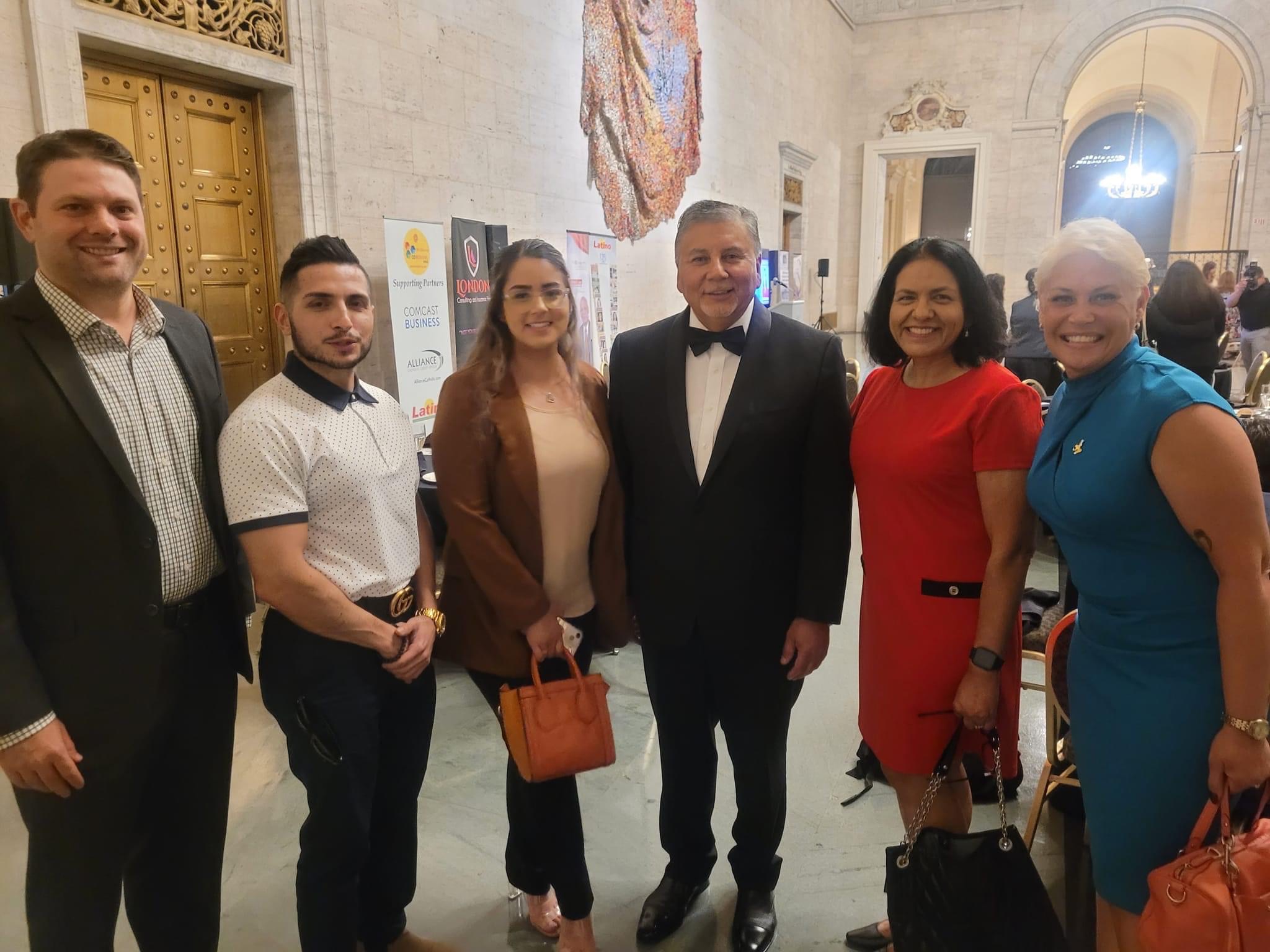
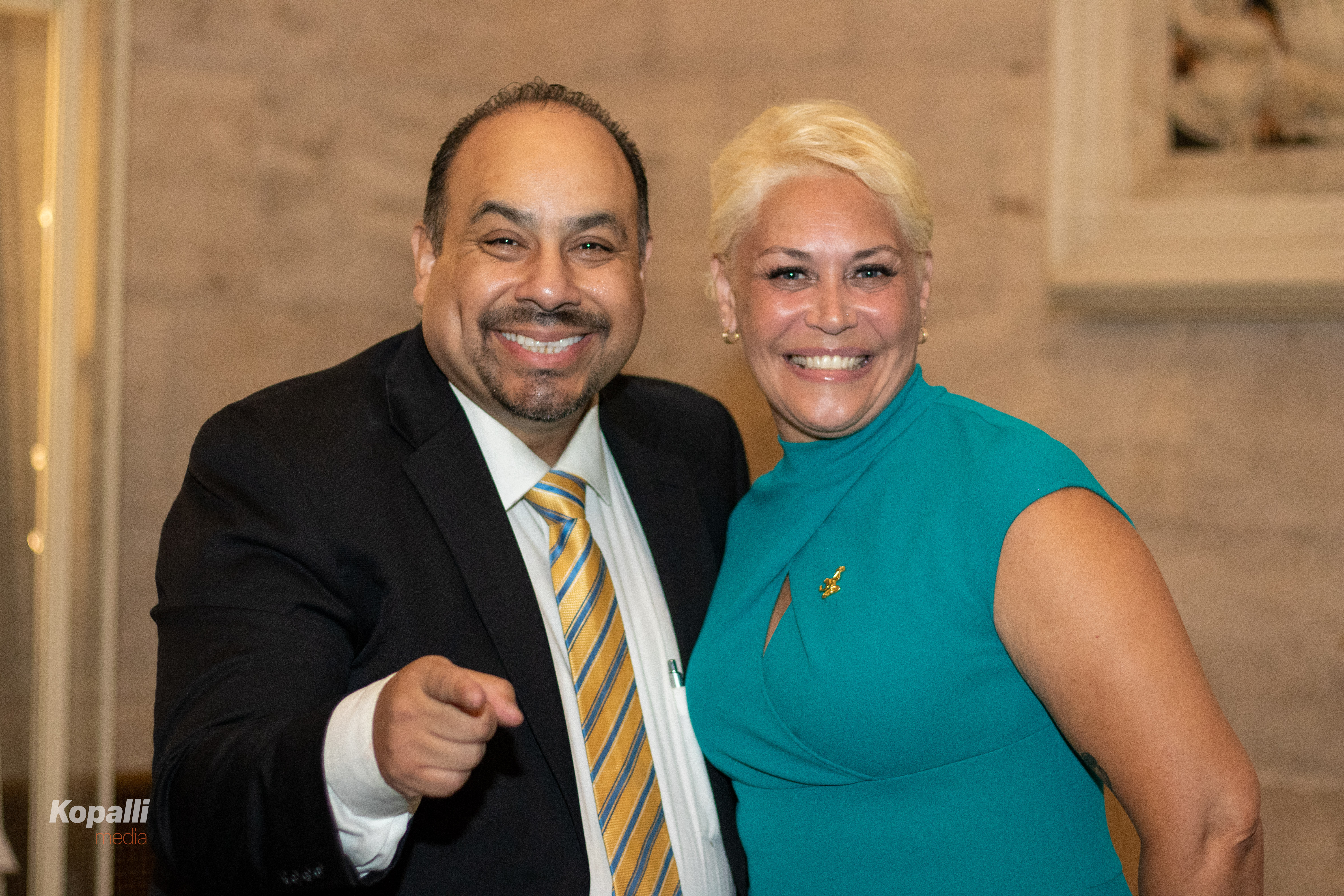
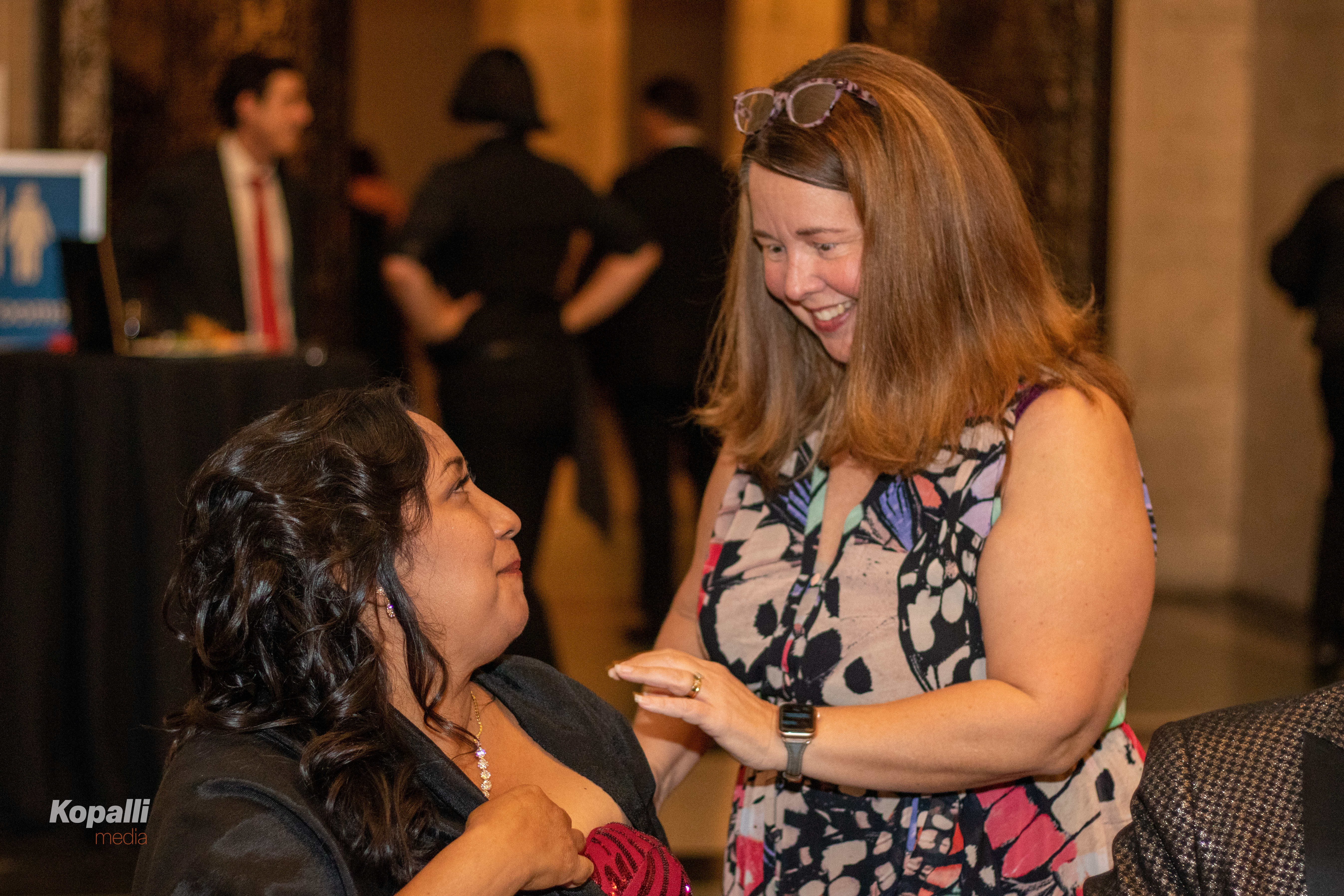
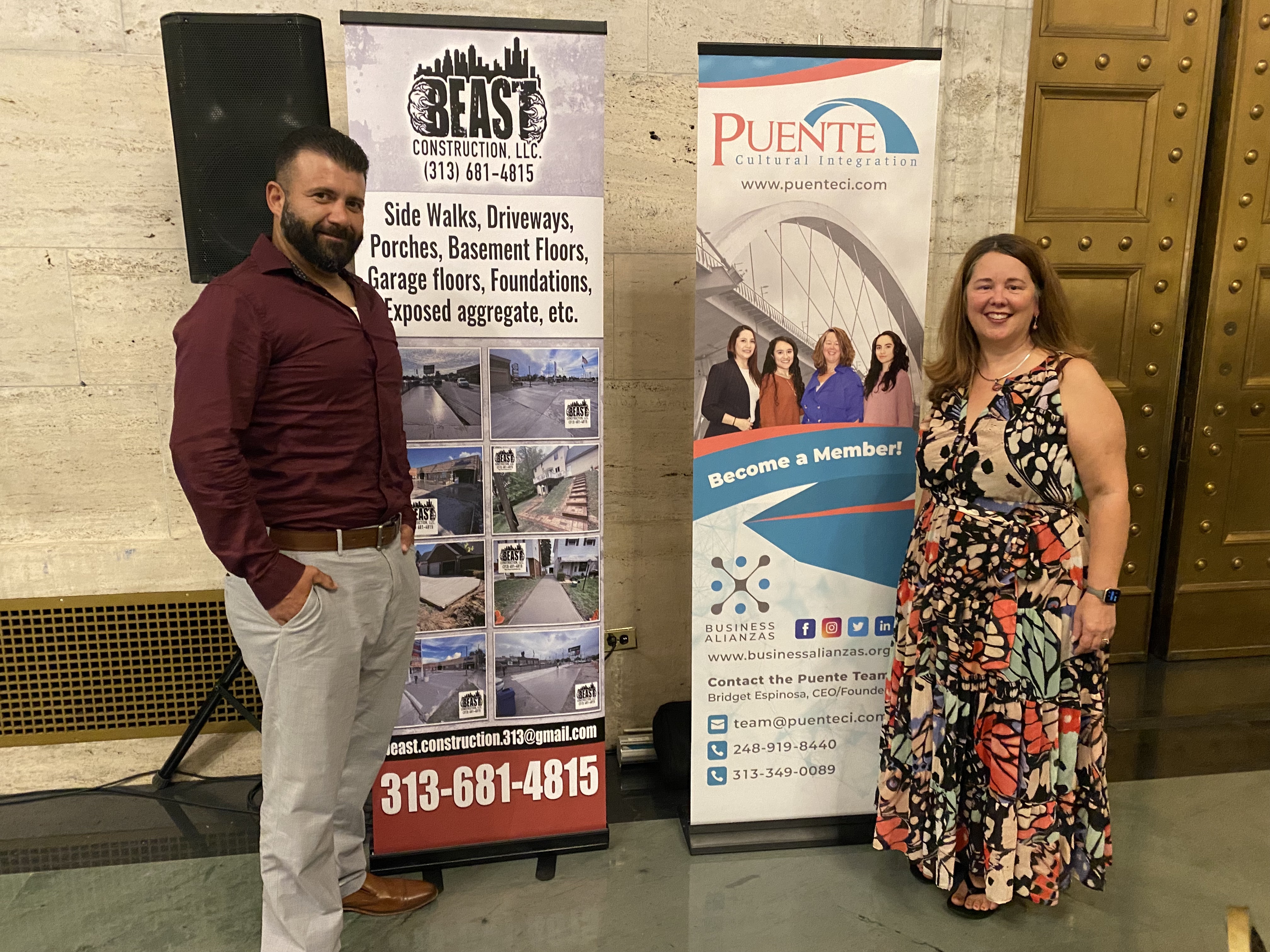
The Small Business Ethnic and Minority Media Appreciation Dinner on Wednesday, September 7th, 2022 brought together micro-business owners, Black and Brown community leaders and our Metro Detroit ethnic press together to network and celebrate at one of the most prestigious locations in the midwest, the Detroit Institute of Arts.
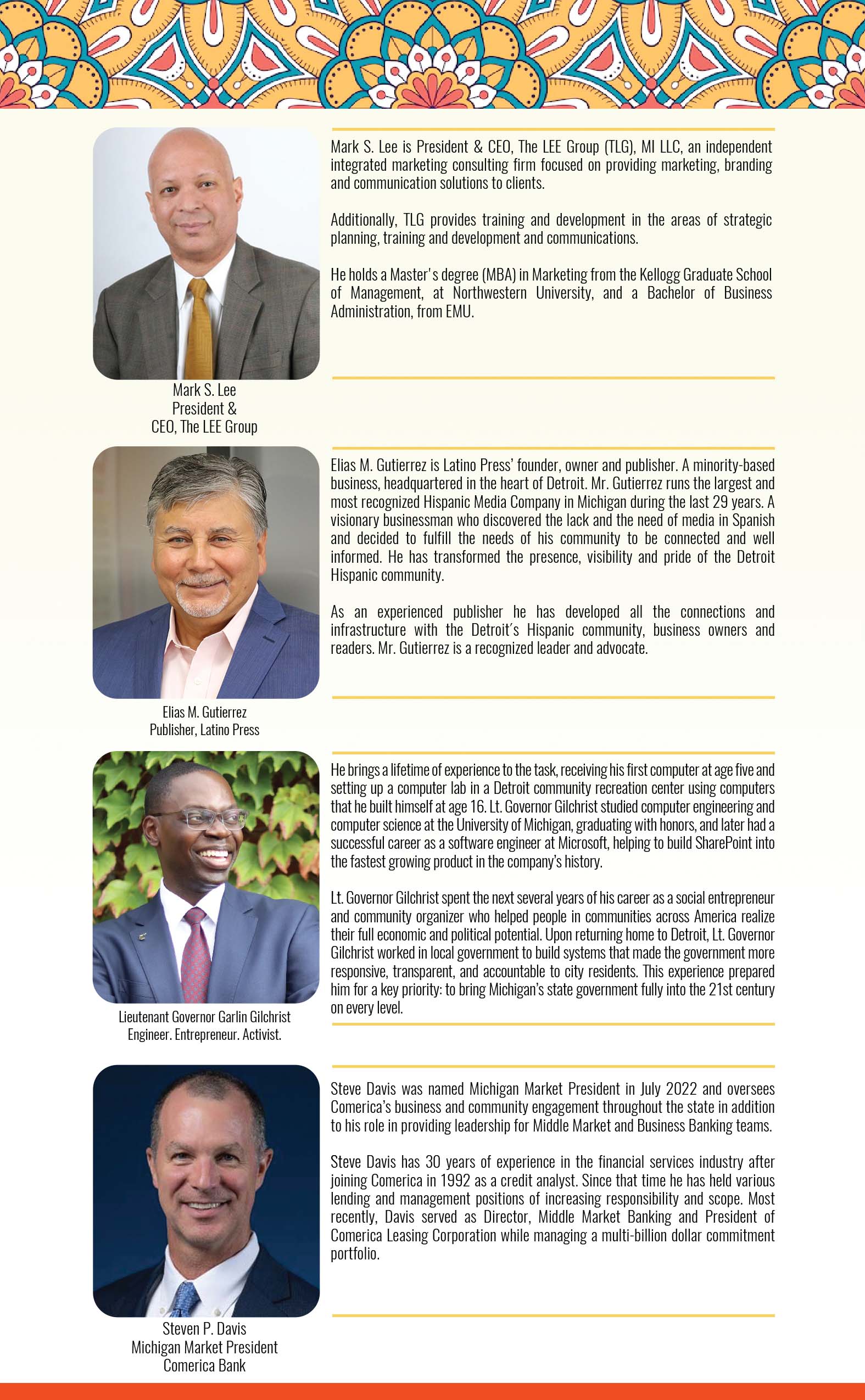
Our MC and one of our sponsors was the esteemed Mark Lee from The Lee Group, “It was an honor and privilege to MC and speak at this wonderful event honoring outstanding entrepreneurs. It was a celebration recognizing those truly making a difference.”
My favorite part of the evening was helping entrepreneurs to connect to one another and with media and government leaders. The cocktail hour in the Diego Rivera Court at the DIA was the perfect backdrop to weave relationships. It is not everyday that a taquero, a barber, a realtor, a contractor, and a cleaning company get to network with leaders in banking and government. Introducing some of our Business Alianzas clients to Lt. Governor Garlin Gilchrist II was the highlight of the night for me!
Rob and Daisy CoronadoLt. Governor Garlin Gilchrist congratulating Elias Gutierrez Elena Guardiola
We are thrilled that the Puente Team was able to support the Small Business Ethnic and Minority Media Appreciation Dinner. Our original role was to ensure that there would be a diverse group of entrepreneurs invited, once again providing equitable opportunities for our clients and our community. This gala was by invitation only and we carefully curated the guest list and speakers with leaders in government, education, banking, real estate, and of course small business. Typically these types of events are primarily attended by corporate and nonprofit leaders, we intentionally kept our focus on our mom and pop businesses.
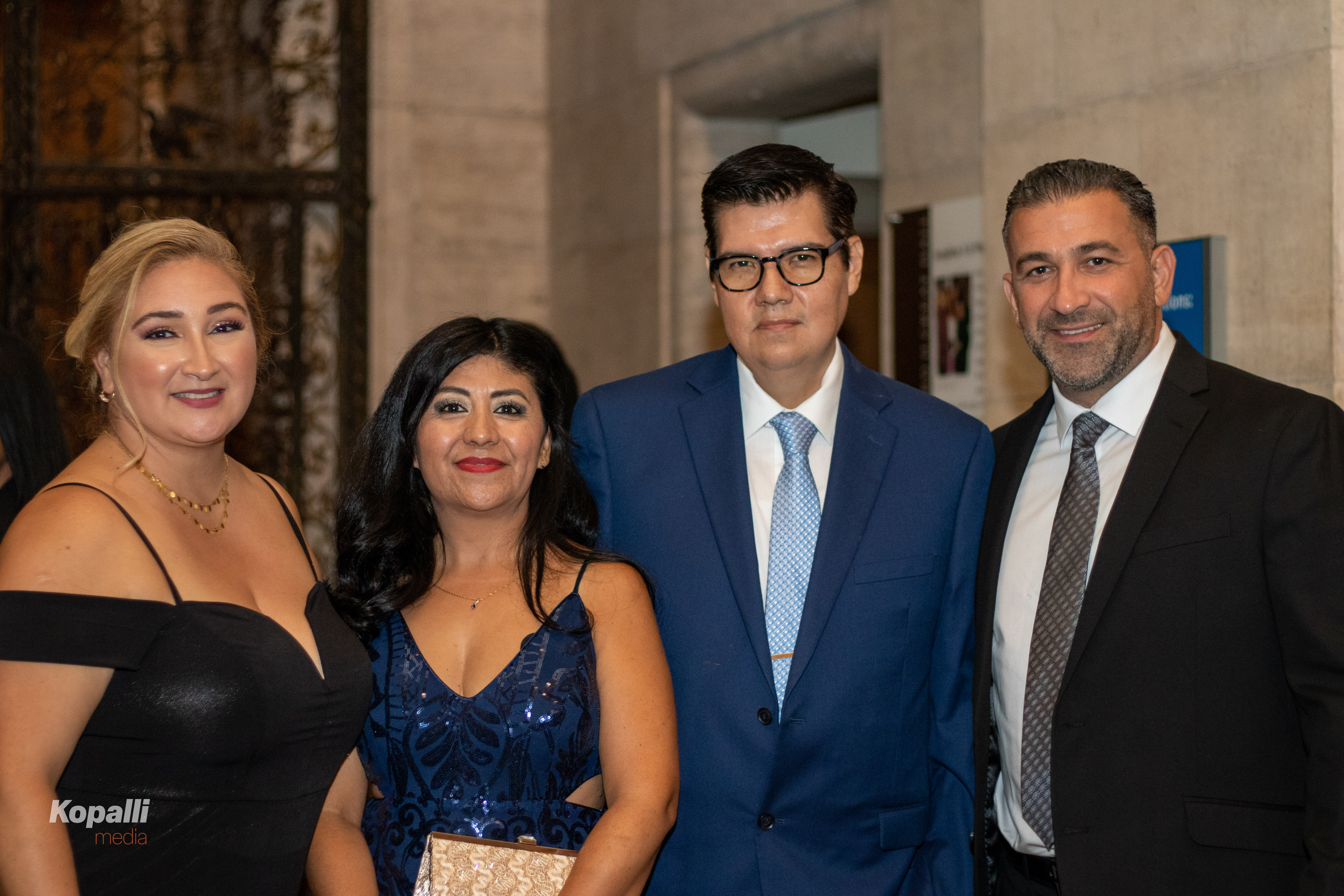
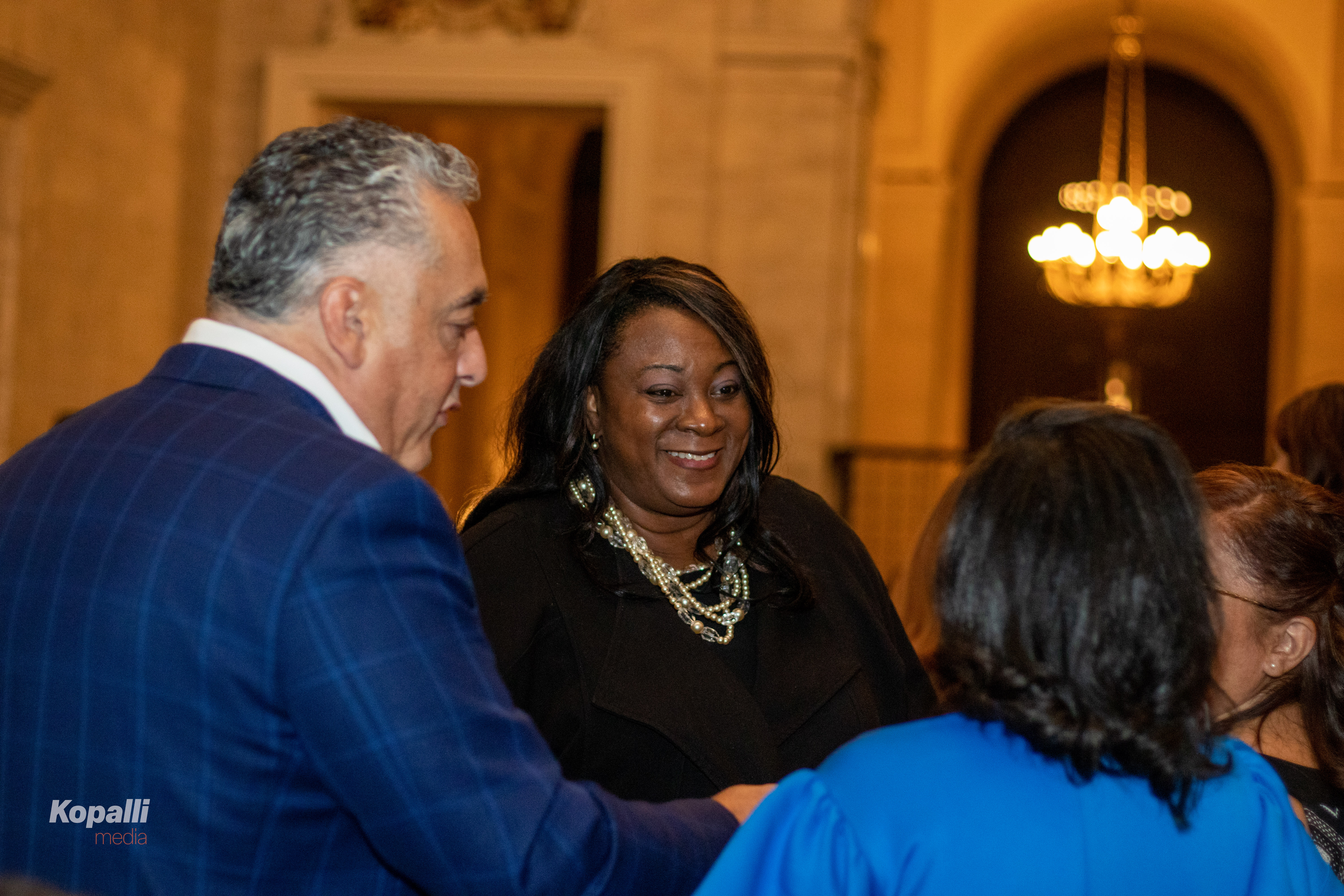
Successful Entrepreneurs, Start-Ups, Great Friends, Incredible Memories!
see the photo gallery below
Grateful for the Latino-Puente Team for their incredible work in organizing every detail of this event.
Left to Right:
Cintia Alejandra Mora
Claudia Rivera
Bridget Espinosa
Yazmin Payan Sanchez
“I would like to thank the assistance of personalities such as Lt. Governor Garlin Gilchrist II, Mr. Roberto Nicolas Consul of Mexico, Bruce Morgan of WSU, Wafa Dinaro of Community Foundation for Southeast Michigan, Kevin Hardy editor of Detroit News, Gabriela Santiago Detroit City Council,This event would not have been possible without the support of these people or these companies.”
A note from our host, Elias Gutierrez, Publisher of Latino Press:
Welcome to the eighth post in the “10 Ways to Support Immigrants and Refugees” series!
#3: Share on Social Media
You can be an “influencer” for your friends and family! Make it easy for your loved ones to participate in advocacy for immigrants and refugees by sharing templates for emails and phone calls to representatives. You can also create infographic posts that your followers can repost. As long as you are sharing reliable data and including sources, you can be an impactful social media advocate.
Another effective type of social media advocacy is the sharing of petitions. Create your own on Change.org or reshare already-existing petitions. In order to access the petitions that already exist, try subscribing to the Change.org newsletter or following social media accounts that often post the links to the petitions.
How do you stay updated on issues affecting immigrants and refugees in your community and across the globe? Let us know on our social media!
Welcome to the seventh post in the “10 Ways to Support Immigrants and Refugees” series!
#4: Take Action in Numbers
An important right as Americans is the ability to assemble in protest. Exercise this right by organizing a protest of your own or joining a protest in your area. Find local protest events here on Indivisible.
If you are not yet ready to participate in a protest, another choice could be a documentary screening. Invite family and friends to watch a documentary with you, and provide a chance for conversation afterward. Informative options for documentaries and docuseries include Living Undocumented (2019), Targeting El Paso (2020), and Immigration Nation (2020).
Another option is to assemble a group or join a group that focuses on refugee outreach, such as the Refugee Outreach Collective (ROC). Groups like ROC give you an opportunity to be in contact with refugees in order to create cross-cultural and cross-continental bonds.
How do you stay updated on issues affecting immigrants and refugees in your community and across the globe? Let us know on our social media!
Welcome to the sixth post in the “10 Ways to Support Immigrants and Refugees” series!
#5: Contribute to “Freedom Funds”
When I.C.E. detains someone, they impose an “immigration bond”, which is essentially the same as bail in the U.S. court system. The bond amount must be paid to Homeland Security in order for the person to be released while their case is processed through court.
There are organizations called “Freedom Funds” that donate these bail amounts to both immigrants and American protestors who have been detained. To support immigrants that have been detained by I.C.E., donate to or volunteer for organizations such as the Minnesota Freedom Fund.
How do you stay updated on issues affecting immigrants and refugees in your community and across the globe? Let us know on our social media!
Welcome to the fifth post in the “10 Ways to Support Immigrants and Refugees” series!
#6: Stay Informed
Although we have already discussed educating yourself in this blog series, refugee and immigration rights and situations are constantly changing. New information is essential when it comes to staying up to date on social issues such as those impacting refugees and immigrants in the United States and across the globe. When you become passionate about these issues, it can be tempting to immediately talk about them to everyone you know. However, it is important to stay informed with these topics if you wish to become a strong advocate for immigrants and refugees.
The following resources may be helpful on your journey to becoming an informed immigrant and refugee advocate:
Welcome to the fourth post in the “10 Ways to Support Immigrants and Refugees” series!
#7: Support Direct Service Organizations
Nonprofits and other direct service organizations can always use the help of passionate volunteers! To support immigrant and refugee rights, volunteer for or work with a human rights-based nonprofit, such as the International Rescue Committee, the American Civil Liberties Union, or Samaritas.
Another way to directly support nonprofits and service organizations is to organize fundraising campaigns through platforms such as GoFundMe, Givebutter, or Facebook Fundraisers.
If you are interested in donating to or volunteering for local nonprofits, here are some options in Michigan: